
Beyond the Horizon: The Port Museums of Morocco and Their Maritime Heritage.
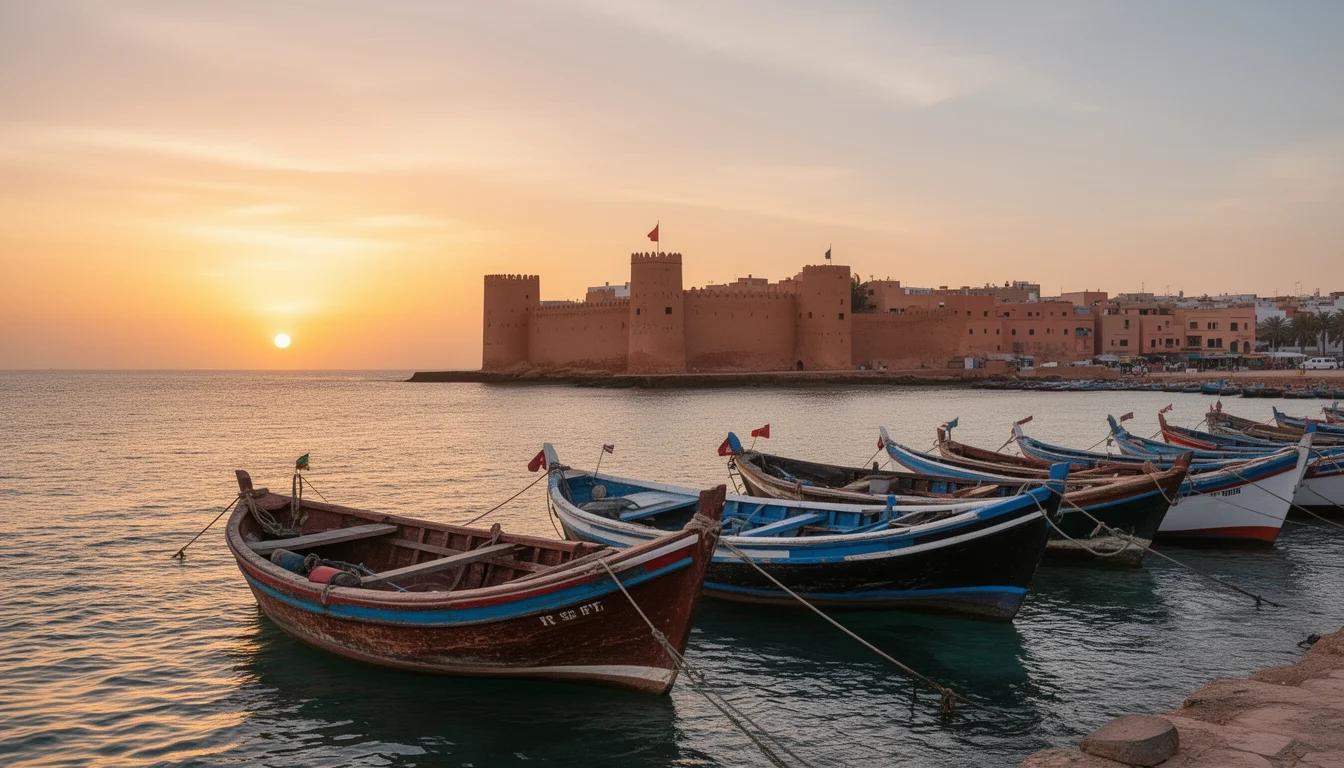
Morocco, a land embracing both the vast Atlantic Ocean and the historic Mediterranean Sea, boasts a profound and enduring connection to the maritime world. Its extensive coastline, stretching over 3,500 kilometers, has for millennia served as a vibrant crossroads for trade, exploration, and intense cultural exchange. From ancient Phoenician outposts and powerful Roman settlements to formidable Islamic naval bases and bustling colonial trading posts, the rhythmic ebb and flow of the ocean have consistently shaped the nation's identity, influencing its economy, politics, and social fabric. While Morocco is often celebrated for its majestic Atlas mountains and sweeping Sahara deserts, its rich maritime legacy is equally profound and deserving of widespread exploration and recognition. This article embarks on a fascinating journey to uncover the captivating world of Morocco's historic port cities and the dedicated museums that meticulously preserve, interpret, and proudly present their deep-seated maritime heritage, revealing compelling stories of intrepid seafarers, intricate global trade networks, and the enduring, multifaceted bond between the Moroccan people and the vast blue expanse that defines so much of their history.
Morocco's Strategic Coastal Vantage
Morocco's geographical position is not merely a feature but a defining element of its historical trajectory, making it an undisputed strategic coastal vantage point. Positioned at the confluence of the Atlantic Ocean and the Mediterranean Sea, where Europe meets Africa, the Moroccan coastline has always been a vital bridge and a coveted prize. Early seafarers, including the Phoenicians and Romans, established significant trading posts along its shores, recognizing the immense potential for connecting diverse civilizations and markets. Later, under various Islamic dynasties, Moroccan ports evolved into formidable naval centers, projecting power across the Strait of Gibraltar and beyond. This unique dual-coastline advantage facilitated an unparalleled exchange of goods, ideas, and technologies, making Moroccan ports critical nodes in global trade networks stretching from West Africa to the Levant and Europe. The very fabric of Moroccan society, its architecture, cuisine, and artisanal traditions, bear the indelible marks of these centuries of maritime interaction, setting the stage for the crucial role its port museums play today in illustrating this rich, interconnected past.
Tangier: Gateway to the Mediterranean
Tangier, known historically as the "Gateway to the Mediterranean," stands as a powerful testament to Morocco's maritime prowess and strategic importance. Its natural harbor, overlooking the Strait of Gibraltar, has for millennia been a magnet for civilizations, from Phoenician and Roman settlements to the bustling international zone of the 20th century. The city's Kasbah Museum, housed within the former Dar el Makhzen palace, while not exclusively a "port museum," dedicates significant space to narrating Tangier's illustrious history, including its profound maritime connections. Exhibits showcase artifacts from ancient shipping, detailed maps illustrating historical trade routes, and documents chronicling the city's role as a naval stronghold and commercial hub. The museum’s collections vividly portray the flow of cultures and economies through its port, reflecting periods of both peace and conflict, and the continuous interaction with European and African powers. Future museum projects in Tangier are increasingly focused on specifically highlighting its direct maritime contributions, aiming to create more dedicated spaces for showcasing naval history, shipbuilding, and the lives of its seafarers, truly cementing its legacy as a pivotal global port.
Rabat and Salé: Echoes from the Bou Regreg Estuary
The twin cities of Rabat and Salé, strategically positioned at the mouth of the Bou Regreg estuary, collectively narrate a compelling saga of maritime history that resonates deeply within Morocco's cultural heritage. Salé, in particular, gained formidable notoriety in the 17th century as a notorious corsair republic, a base from which Salé Rovers commanded Atlantic trade routes, creating a complex legacy of piracy and vibrant international exchange. The Ribat, the fortified monastery that gave Rabat its name, initially served as a crucial early Islamic maritime defense outpost, protecting the coast from invasions and fostering a sense of religious and military purpose tied to the sea. While a dedicated "Bou Regreg Port Museum" might not exist, various historical sites and local collections in both cities interpret this rich maritime past. They preserve stories of the audacious sea captains, intricate shipbuilding techniques, and the multicultural fabric woven by captives, traders, and adventurers who passed through the estuary. These sites, through their diverse exhibits, unveil the significant impact of the sea on the urban development, economic prosperity, and cultural identity of these two ancient, yet perpetually dynamic, coastal metropolises.
Essaouira: The Wind City's Oceanic Legacy
Essaouira, often dubbed the "Wind City" or "Pearl of the Atlantic," embodies a unique and captivating maritime heritage that sets it apart on Morocco's coastline. Originally designed and fortified by European architects for Sultan Sidi Mohammed ben Abdallah in the 18th century, its port was meticulously planned to serve as Morocco's primary trade gateway to the world, a direct link between sub-Saharan Africa, Europe, and the Americas. The Sidi Mohammed Ben Abdallah Museum, nestled within a former Pasha's residence, is the primary custodian of Essaouira's rich past, dedicating significant sections to its oceanic legacy. Exhibits include intricate ship models, ancient navigational instruments, maps detailing historical trade routes, and artifacts recovered from shipwrecks. The museum also beautifully illustrates the evolution of local artisanal crafts, such as thuya wood carving, which historically found its way to international markets via the port. Beyond the museum walls, the city's historic ramparts, vibrant fishing port, and bustling seafood markets continue to tell a living story of its deep connection to the Atlantic, reflecting centuries of interaction between diverse cultures drawn by its strategic maritime importance and consistent trade winds.
Safi: Ancient Port, Modern Endeavors
Safi, a city steeped in antiquity, boasts a maritime history stretching back to Phoenician times and flourishing under the Almohad and Saadian dynasties, when it served as a crucial gateway to sub-Saharan Africa and a bustling hub for trade with Europe. Its port, with a natural deep-water bay, became renowned not only for its strategic military importance but also as a vibrant commercial center handling a diverse array of goods. While the city is perhaps best known today for its distinctive pottery, the National Ceramics Museum, though not a specific "port museum," indirectly showcases the profound influence of Safi’s maritime connections, as the raw materials and finished products were historically transported through its port. Beyond ceramics, local historical records and smaller community initiatives preserve the stories of Safi's fishing fleets, its significant sardine industry, and the towering Safi lighthouse, a sentinel guiding countless vessels over centuries. These collective endeavors highlight the port’s evolution from a medieval trading post to a modern industrial and fishing port, demonstrating its enduring role in Morocco’s economic fabric and its continuous connection to the vast resources of the Atlantic.
Maritime Museology: Curating the Ocean's Story
Curating maritime heritage presents a unique set of challenges and opportunities for Moroccan museologists, requiring specialized expertise in preservation, research, and exhibition design. Unlike terrestrial artifacts, objects recovered from the seabe they shipwrecks, navigational instruments, or sailors' personal effectsoften require immediate and intensive conservation treatments to prevent rapid deterioration upon exposure to air. Port museums and those with maritime sections, therefore, invest heavily in advanced conservation techniques for metal, wood, and organic materials saturated by saltwater. Exhibiting these items also calls for innovative approaches, often utilizing immersive displays, large-scale models, and interactive digital elements to bring the vastness and mystery of the ocean to life. Recreating the cramped quarters of a historical vessel, displaying ancient charts alongside modern satellite navigation tools, or presenting archaeological finds from underwater excavations demands creativity and meticulous attention to historical accuracy. The goal is to not just display objects, but to tell compelling human stories of courage, ingenuity, trade, and conflict against the backdrop of the powerful sea.
Sustainable Cultural Tourism and Coastal Communities
Morocco’s port museums play an increasingly vital role in fostering sustainable cultural tourism, creating a symbiotic relationship between historical preservation and the socio-economic well-being of coastal communities. By attracting visitors interested in maritime history, these museums generate revenue that can be reinvested into local heritage projects, marine conservation efforts, and educational programs. Many port museums actively engage with local fishing communities, recognizing their deep, inherited knowledge of the sea and integrating their contemporary experiences into exhibits. This engagement often extends to supporting traditional boat-building techniques, promoting responsible fishing practices, and raising awareness about the fragility of marine ecosystems. Educational initiatives frequently target local youth, instilling a sense of pride in their maritime heritage while simultaneously educating them on the importance of marine biodiversity and environmental stewardship. Through such initiatives, port museums become dynamic centers for community empowerment, ensuring that the benefits of cultural tourism extend beyond mere visitation to genuine, long-term community development and environmental protection.
The Future of Maritime Heritage: Digital Shores and Underwater Treasures
The future of preserving and presenting Morocco's maritime heritage is increasingly looking towards digital shores and the vast, largely unexplored realm of underwater archaeology. Digital technologies offer unprecedented opportunities for accessibility and immersive storytelling. Virtual reality (VR) and augmented reality (AR) can transport visitors onto the decks of historical ships, allow them to navigate ancient trade routes, or explore meticulously reconstructed digital models of submerged shipwrecks. These tools can bring to life aspects of maritime history that are otherwise difficult to convey. Concurrently, the field of underwater archaeology in Moroccan waters is gaining momentum. As technologies for subsea exploration advance, researchers are beginning to systematically survey and document a wealth of submerged heritage sites, from ancient anchorages to colonial-era wrecks. These discoveries promise to dramatically expand our understanding of Morocco’s past, and port museums will be crucial in interpreting these new finds, ensuring their conservation, and making them accessible to the public, thereby continuously enriching the narrative of Morocco's enduring relationship with the sea.
Morocco's port museums are far more than mere static repositories of ancient artifacts; they are vibrant, living gateways to understanding a fundamental and profound dimension of the nation's identity. From the strategic crossroads of Tangier, guarding the Strait of Gibraltar, to the artistically fortified shores of Essaouira, and the ancient, industrious trading hubs of Rabat, Salé, and Safi, these invaluable cultural institutions meticulously chart a historical course through centuries of maritime endeavor and human ingenuity. They illuminate captivating stories of courage and commerce, showcasing innovation in navigation and shipbuilding, and celebrating the intricate cultural fusion that has shaped Morocco. These institutions powerfully demonstrate how the ocean has indelibly shaped Morocco's past, influencing its development and character, and continues to influence its present-day interactions and aspirations. By embracing cutting-edge museological practices, fostering sustainable cultural tourism that benefits local communities, and looking towards a future enriched by digital frontiers and thrilling underwater archaeological discoveries, Morocco's port museums ensure that the captivating saga of its maritime heritage will continue to inspire, educate, and connect generations to come, reminding us all of the enduring power, mystique, and importance of the sea that lies just beyond the horizon.


